Description
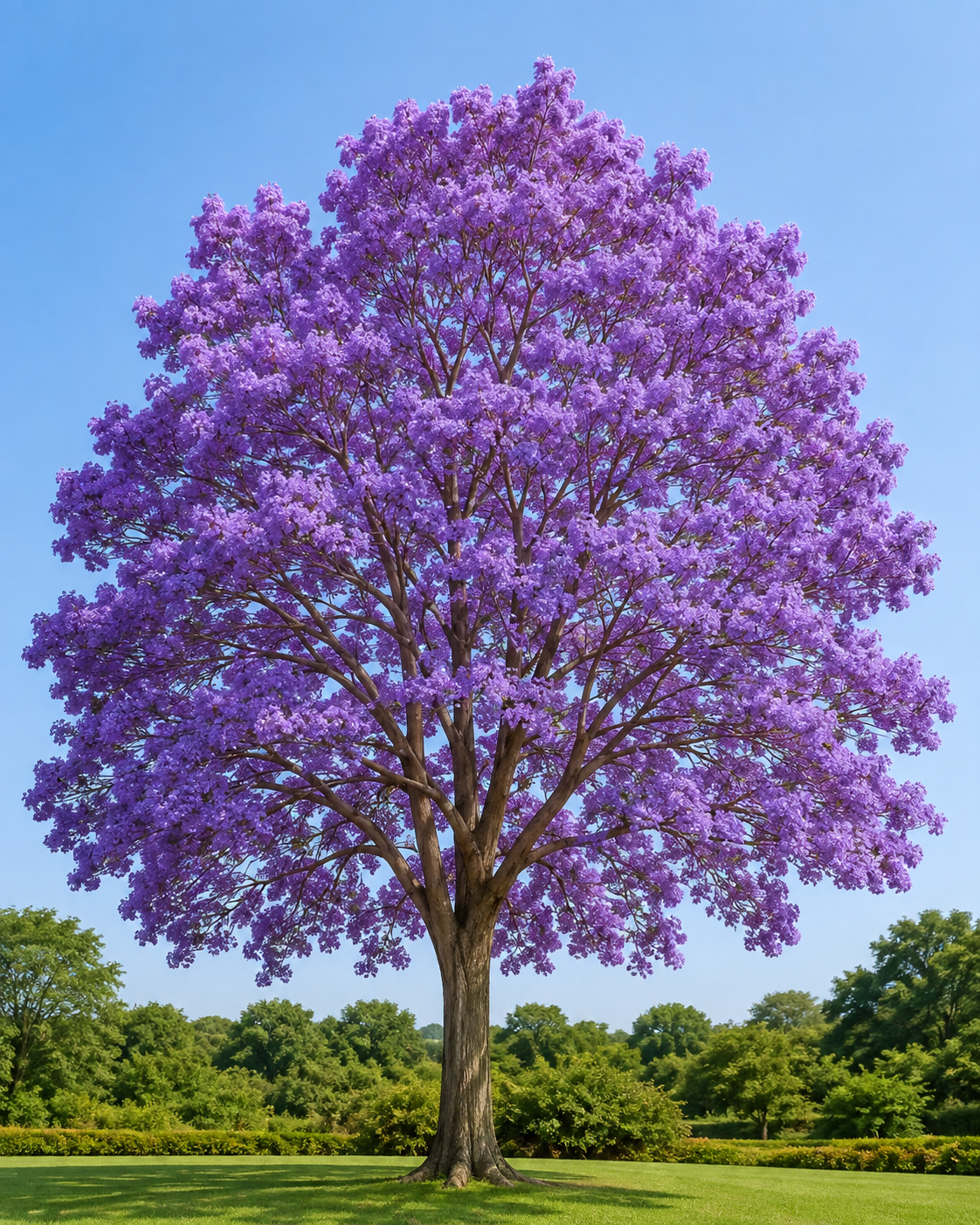
The Purple Largestonia is one of the most eye-catching flowering trees in Pakistan. Native to South Asia, this resilient tree produce clusters of rich, ruffled purple flowers that bloom continuously from late spring through late summer. As the flowers fade, dark woody seed capsules develop alongside vibrant green leaves, giving your garden ornamental value all year long.
Whether you are designing a front lawn landscape in Lahore, upgrading a sunny terrace in Karachi, or searching for a dependable outdoor shade plant in Islamabad, the Purple Largestonia is built for local weather. Its smooth, peeling greyish bark and symmetrical crown make it a statement piece for residential homes, farmhouses, and street avenues alike.
Benefits of Growing Purple Largestonia
-
Vibrant Summer Color: Delivers long-lasting purple blooms during hot weather when most other plants lose their color.
-
Heat & Drought Tolerant: Once established, it withstands peak Pakistani summer heat and dry spells easily.
-
Low Maintenance: Highly resistant to urban air pollution and adaptable to various soil types.
-
Attracts Pollinators: The blooms attract butterflies, bees, and birds to enhance your garden’s natural ecosystem.
Outdoor & Placement Suitability
The Largestonia is primarily an outdoor plant in Pakistan because it requires direct, intense sunlight to trigger its famous purple flower clusters. However, young saplings can be kept in large terracotta pots on sunlit balconies, rooftop gardens, or outdoor patios before ground planting.
Plant Care Guide for Pakistan
-
Light: Thrives in 6 to 8 hours of full direct daily sunlight. Shady areas lead to weak stems and poor flowering.
-
Watering: Water thoroughly 2–3 times a week during hot summers. Allow the top inch of soil to dry out between waterings. Reduce watering during monsoon and winter months.
-
Soil: Prefers well-draining garden soil mixed with organic compost or cow dung manure. Avoid heavy clay waterlogging.
-
Temperature: Exceptionally hardy in hot climates (up to 45°C+). Protect young plants from severe frost during peak December–January winter nights.
-
Fertilizer: Apply a balanced NPK or organic fertilizer in early spring right before the new growth appears to boost blooming.



Reviews
There are no reviews yet.